Why Financing Roads is Necessary
Every day, as we drive to work and school, we rely on system designed to keep us safe. But in Uganda, road crashes are a growing crisis, claiming lives and costing the economy dearly. The numbers tell a stark story: in 2024, the police Annual Crime Report reported 25107 road crashes, a 6.4% jump from 2023, with 5,144 lives lost, a 7% increase form the previous year. Motorcyclists (47% of deaths) and pedestrians (34%) bear the brunt, highlighting an urgent need for action
The Heavy Cost of Crashes
Road crashes drain Uganda’s economy, costing an estimated 1.2% of GDP roughly UGX 93.2 billion. This covers medical bills, lost productivity, and damaged infrastructure. Beyond money, the human toll is devastating with families losing loved ones and survivors facing long-term injuries. Without investment, these losses will only grow.
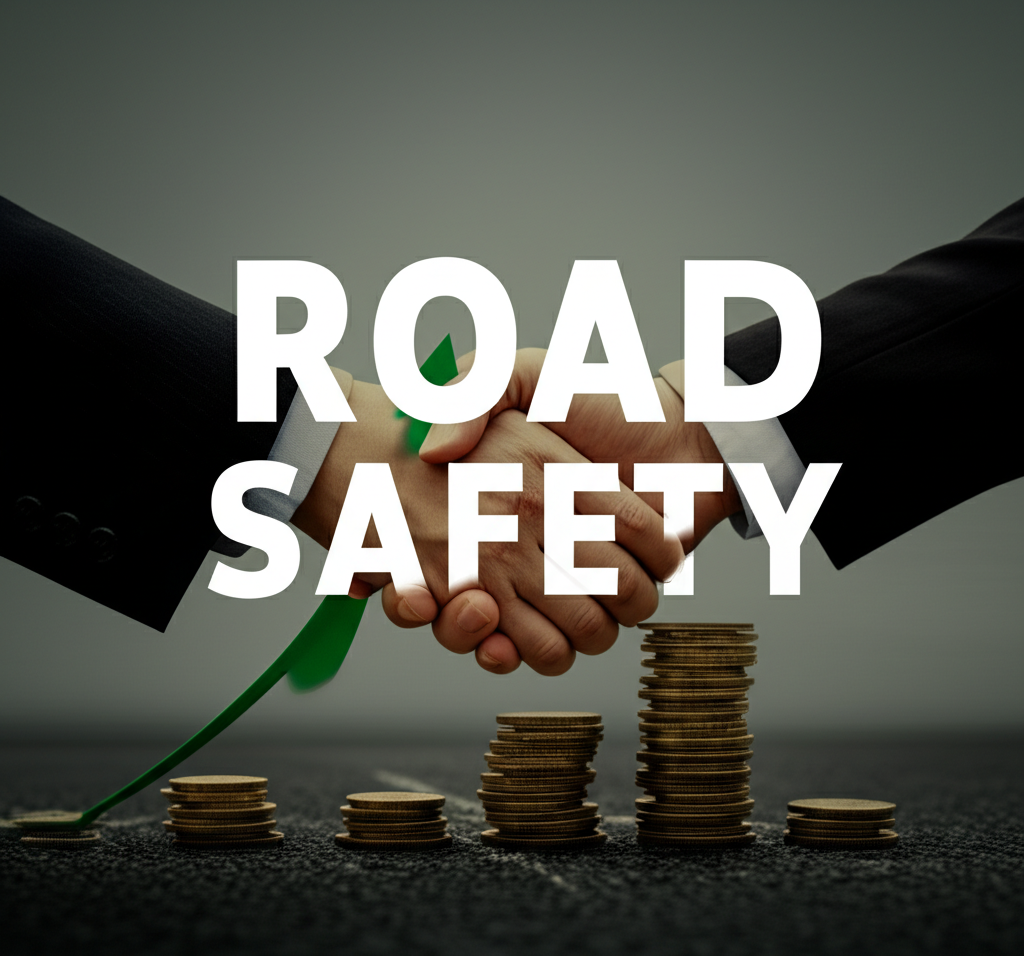
Why Funding Road Safety Matters
Investing in traffic management can turn this tide. Uganda allocated UGX 124 billion to improve road safety infrastructure in the National Road safety Action plan (2021-2026), aiming to cut crashes. Here’s how smart funding can make a difference:
- Better Roads, Fewer Crashes: Well-designed roads, intersections, and pedestrian crossings can significantly lower accident rates.
- Stronger Enforcement: Traffic officers and tools like speed cameras deter reckless driving, a major cause of crashes.
- Public Awareness Campaigns: Education programs can shift driver behavior, promoting safer habits like wearing helmets and seatbelts.
- Faster Emergency Response: Quick response systems save lives by reducing injury severity and getting help to victims faster.
Financing road safety isn’t just about saving lives; it’s about boosting the economy and public health. Crashes currently cost the country 6.7% of GDP, far higher than reported estimates due to underreporting and indirect losses. Investments in enforcement, infrastructure and technology offer high returns, improving productivity and supporting sustainability goals. For example, a national crash database and speed enforcement systems
By Peter Arinda, Head of Finance, URRENO