Strengthening Road Safety Through Community Engagement: Insights from the Yumbe Pilot Implementation (Koboko-Yumbe-Moyo road project)
Uganda is investing in better roads, and making sure everyone stays safe is a top priority. On the Koboko–Yumbe–Moyo corridor, this goal is being met through focused road safety awareness campaigns.
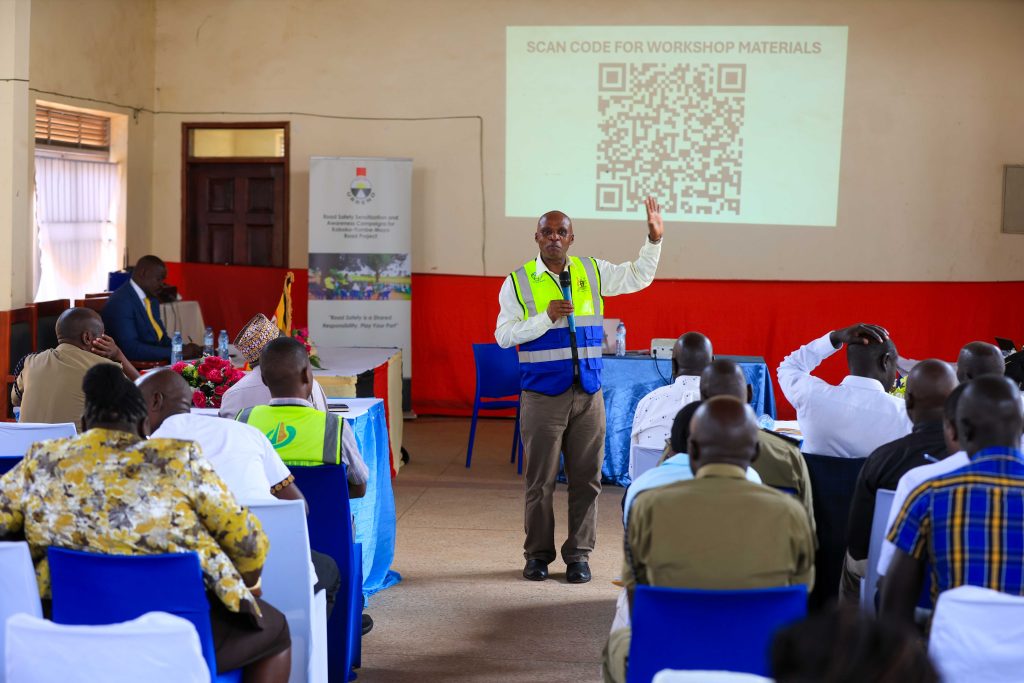
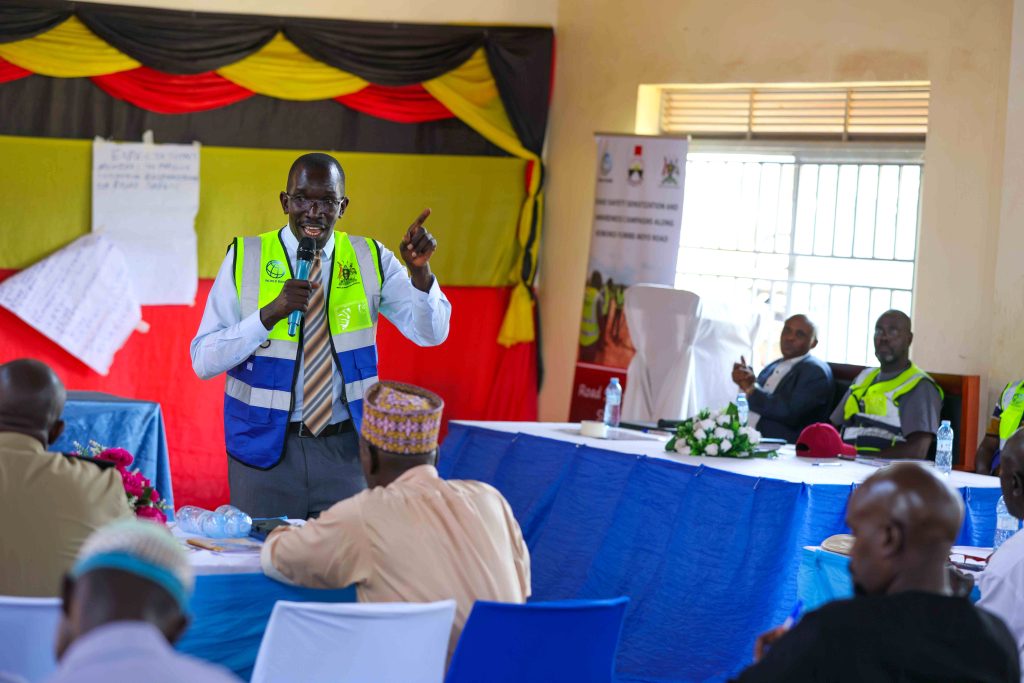
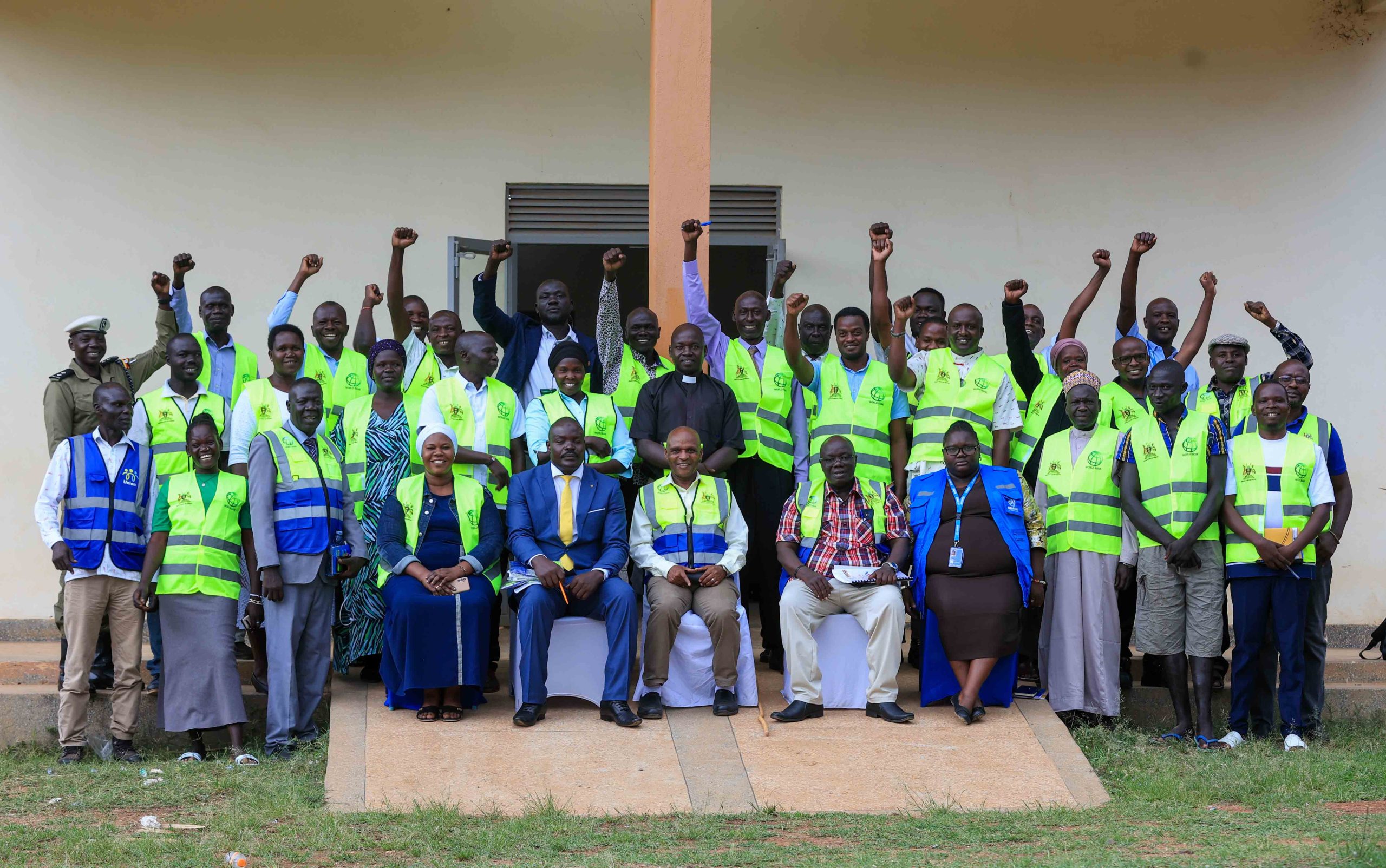
In March 2026, a four-day pilot took place in Yumbe Town and reached more than 2,900 people. Participants included school children, boda-boda riders, drivers, market vendors, construction workers, and refugees. URRENO and Family Rescue Initiatives Uganda (FRIU) ran the pilot to test and improve ways to engage communities on road safety.
Taking Road Safety Sensitization to the Community
The pilot focused on reaching people directly in their communities with road safety messages, bringing information to where they live, work, and travel.
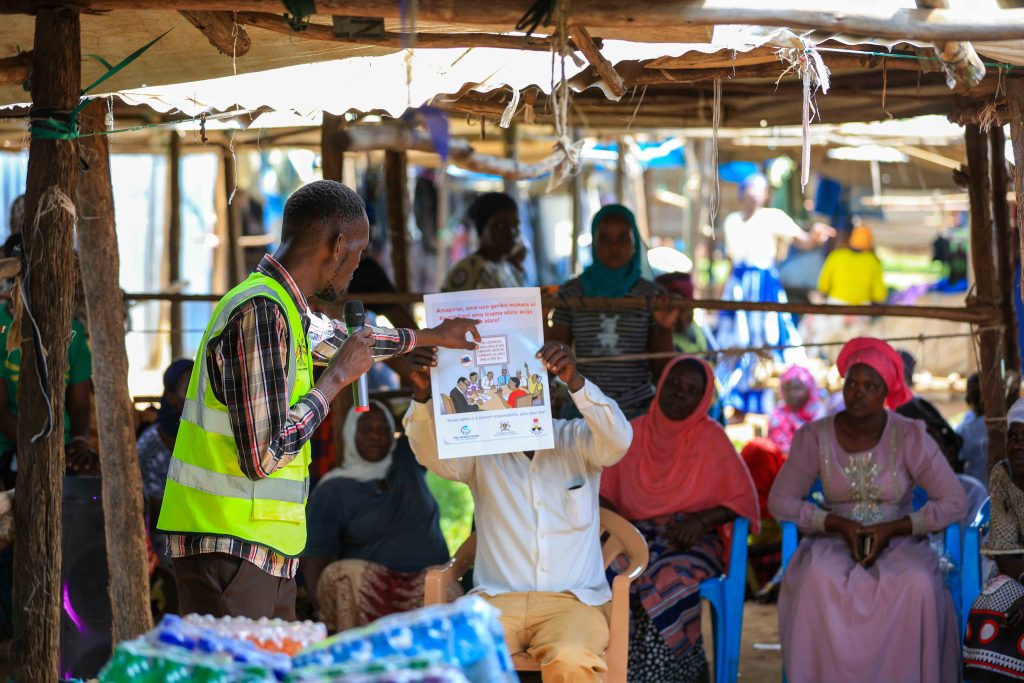
Sensitization activities took place in busy, high-risk areas such as markets, schools, taxi parks, construction sites, and refugee settlements. This way, the messages reached people who face road risks every day.
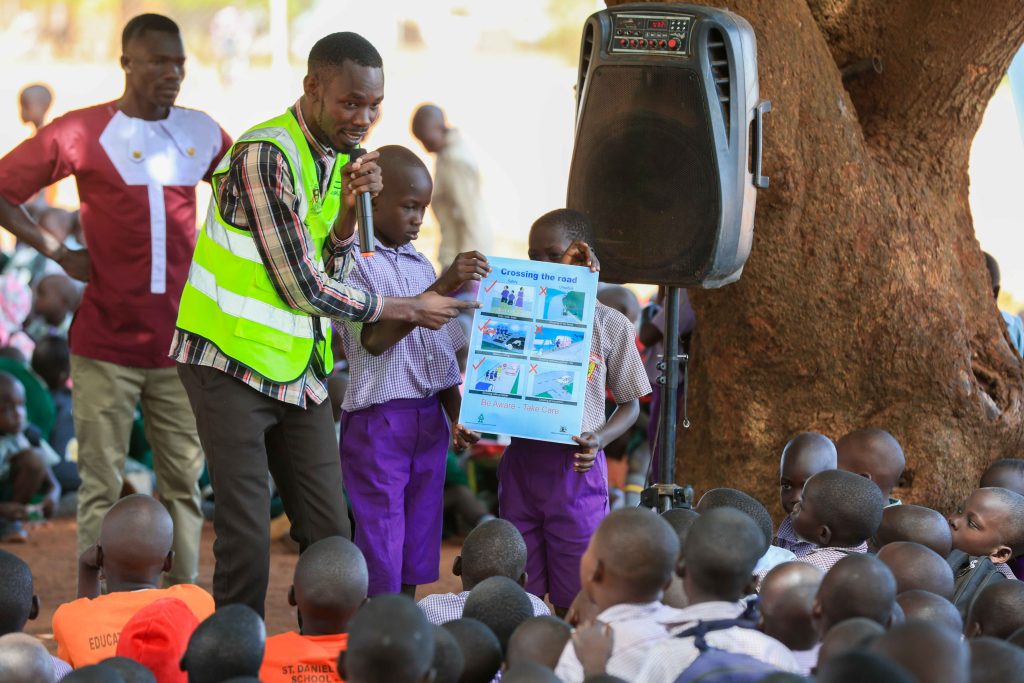
The sessions used interactive methods such as demonstrations, storytelling, role-plays, and real-life case discussions. These activities helped participants get involved and learn. Using local languages, especially Aringa, made the sessions more inclusive and easier to understand.
The sensitization sessions taught practical road safety habits for everyday life, such as:
- Safe road use and pedestrian practices such as proper road crossing
- Speed awareness and the dangers of reckless driving
- Helmet use and personal protective equipment for riders and workers
- Safe navigation of road construction zones
- Child safety, especially for school-going children
- Understanding traffic rules, signs, and shared road use
- Passenger safety and responsible transport practices
- Basic response in case of road incidents
Connecting these messages to real-life experiences helped people see road safety as part of their daily lives, not just a set of rules.
Empowering Local Champions Through Training of Trainers
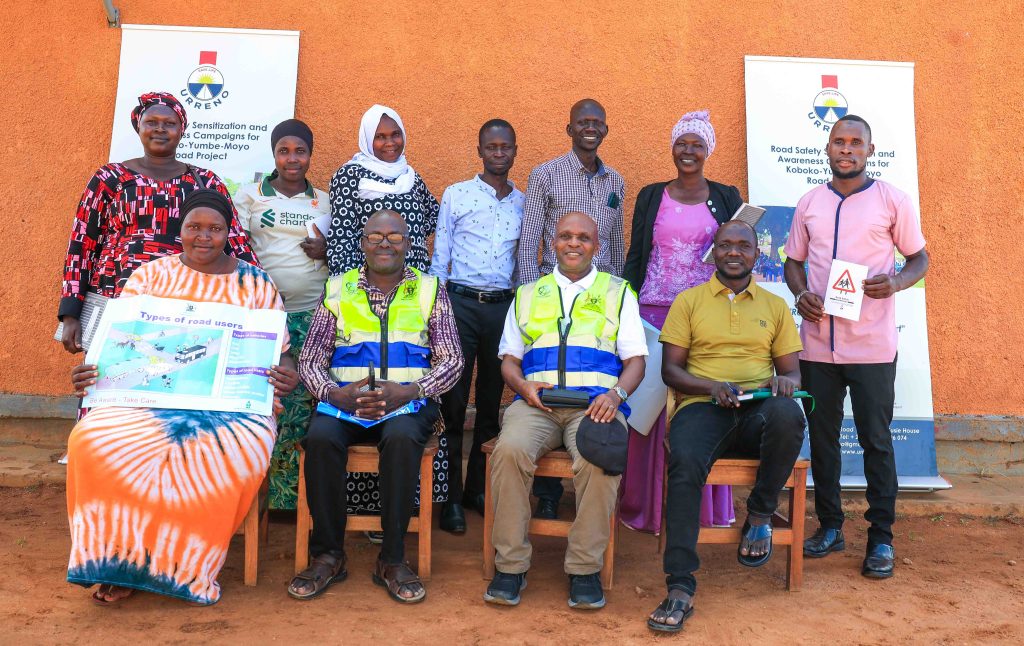
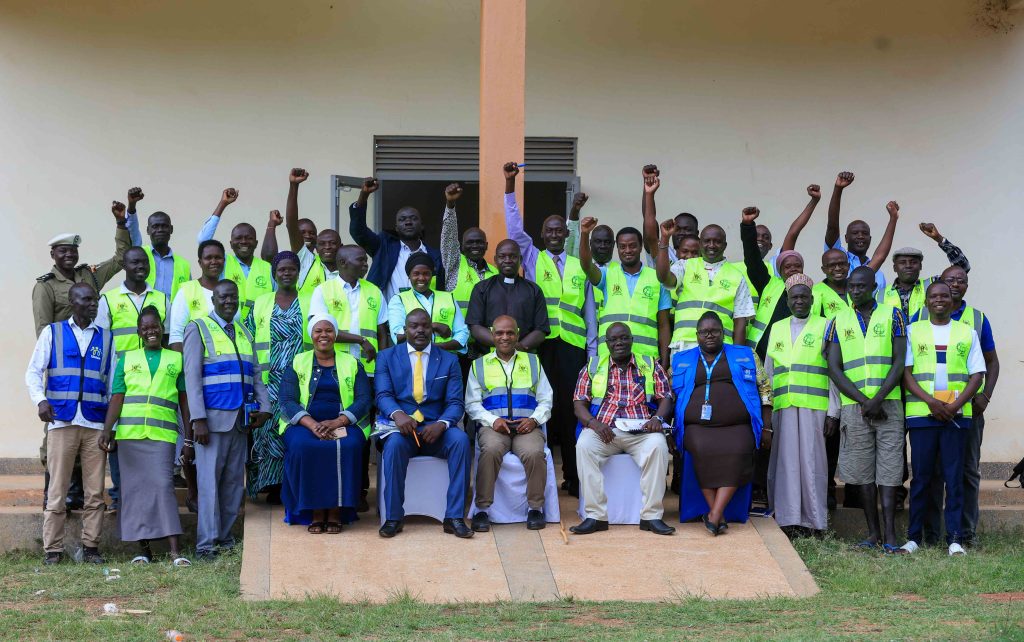
To ensure sustainability, the pilot incorporated a Training of Trainers (ToT) model, equipping 145 community stakeholders with the knowledge and skills to continue sensitization efforts within their own communities.
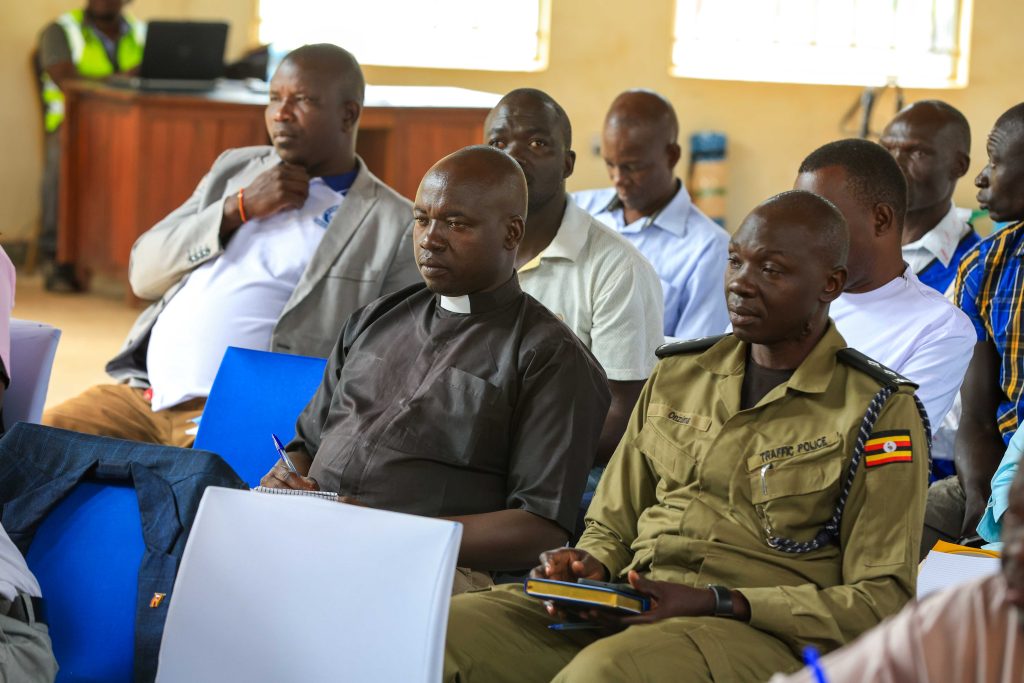
The ToT sessions covered important road safety topics, including safe road use, defensive driving, protective gear, work-zone safety, child safety, and emergency awareness. Participants also learned how to communicate and lead sessions to help others change their behavior.
This approach turns community members into advocates, ensuring road safety messages continue to spread even after the pilot ends.
Demonstrating Impact and Learning for Scale-Up
The pilot showed clear improvements in road safety knowledge among all groups. Many participants also wanted more training and awareness sessions.
The pilot’s success showed that combining community sensitization with capacity building works well, especially when messages are shared in local languages and through practical methods.
The team also learned that flexible scheduling and adapting to community needs are important for success.
Looking Ahead
The Yumbe pilot showed that road safety programs work best when they include everyone, focus on practical steps, and involve the community.
As road improvements continue along the Koboko–Yumbe–Moyo corridor, expanding sensitization efforts will help make sure safer roads go hand in hand with safer behavior.
In the end, safer roads depend not just on construction, but also on awareness, responsibility, and working together.
#road safety is a shared responsibility, play your part.