Road Safety Sensitization and Awareness Campaigns for Koboko – Yumbe – Moyo Road.
Overall Objective
The main objective is to carry out Road Safety Sensitization and Awareness campaigns to the public about the causes, danger and prevention measures of road crashes to road users of the Koboko, Moyo and Yumbe road. This Project aims to deliver heightened road safety sensitization and awareness based on the best local practice but at the same time ensures the campaigns are undertaken in a sustainable, efficient and workable Ugandan context.
Specific Objectives
i) To raise and maintain public awareness of road safety issues and execute targeted road safety publicity campaigns
ii) To increase access to road safety information to road users in Koboko, Yumbe and Moyo and surrounding areas, including the Refugee Resettlement areas.
iii) To Improved collaboration with the road safety stakeholder, including Department of Transport Regulation and Safety, MoWT, Uganda Police (Traffic Department), public transport operators, refugee communities, schools, places of worship, market operators and Local Government leaders.
iv) To Improve and upgrade Sensitization, Education and Awareness educational tools and materials on local and international best practices and customized them to project Road.
v) To provide and implement an efficient Sensitisation and Awareness that ensure safe road usage and influence safe road user behaviour, with focus on risk factors of speeding, drunk-driving, helmet and seatbelt use and other factors.
vii) Provide recommendations for future improvements of the road safety publicity management in Uganda.

Activities so far Done
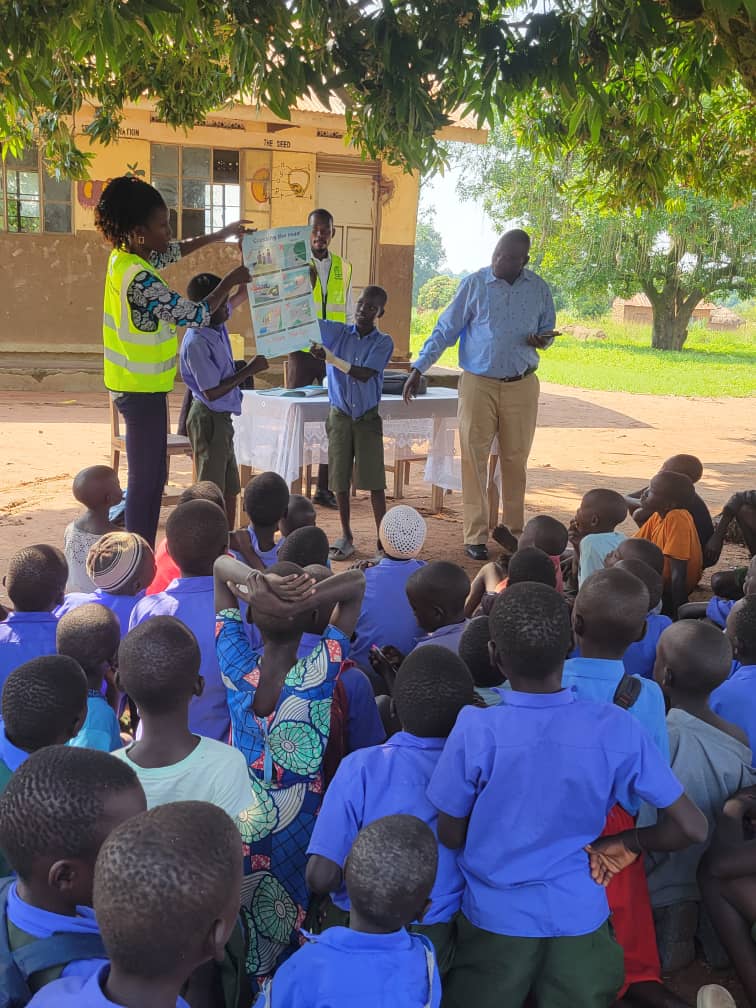
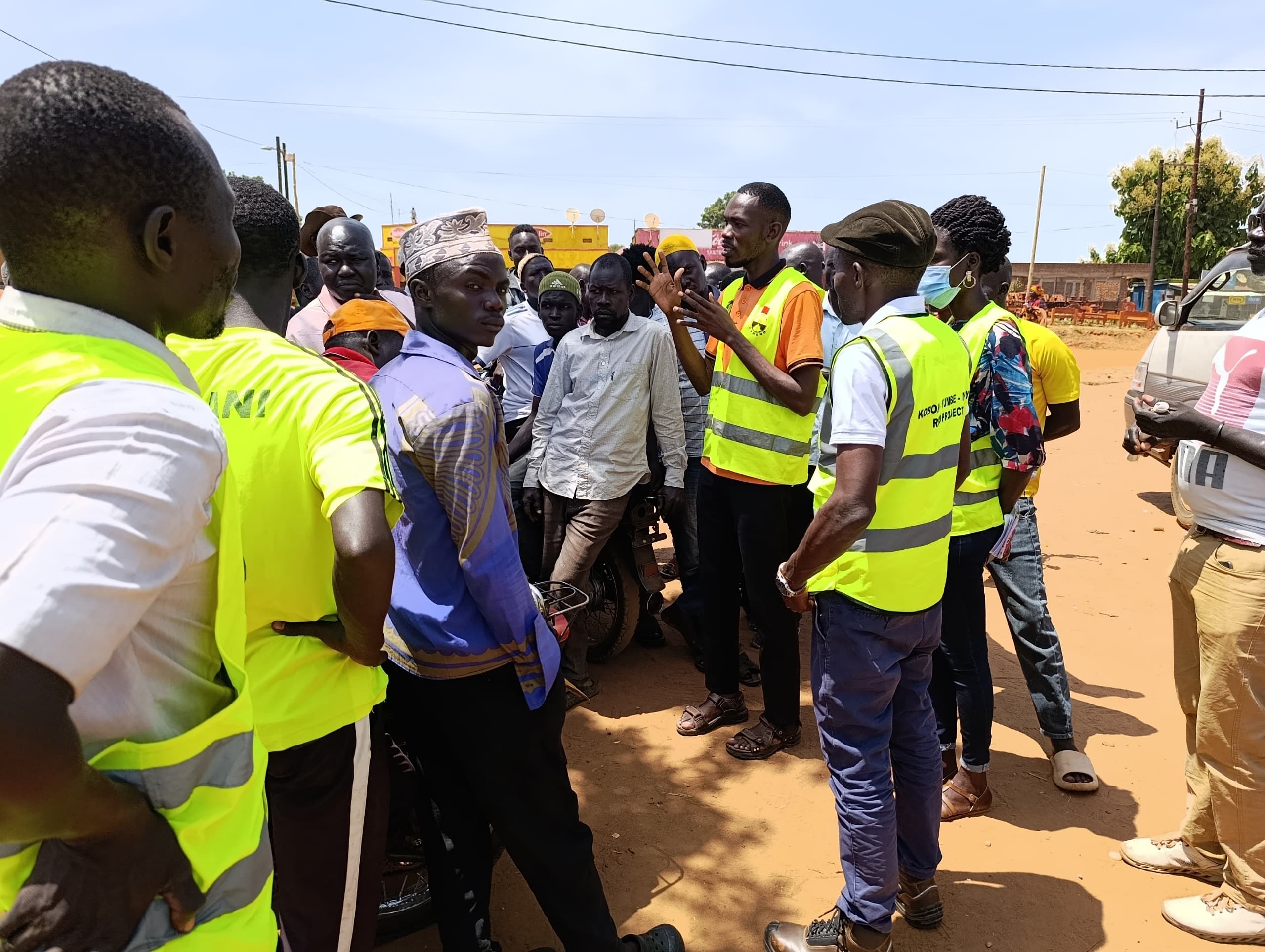
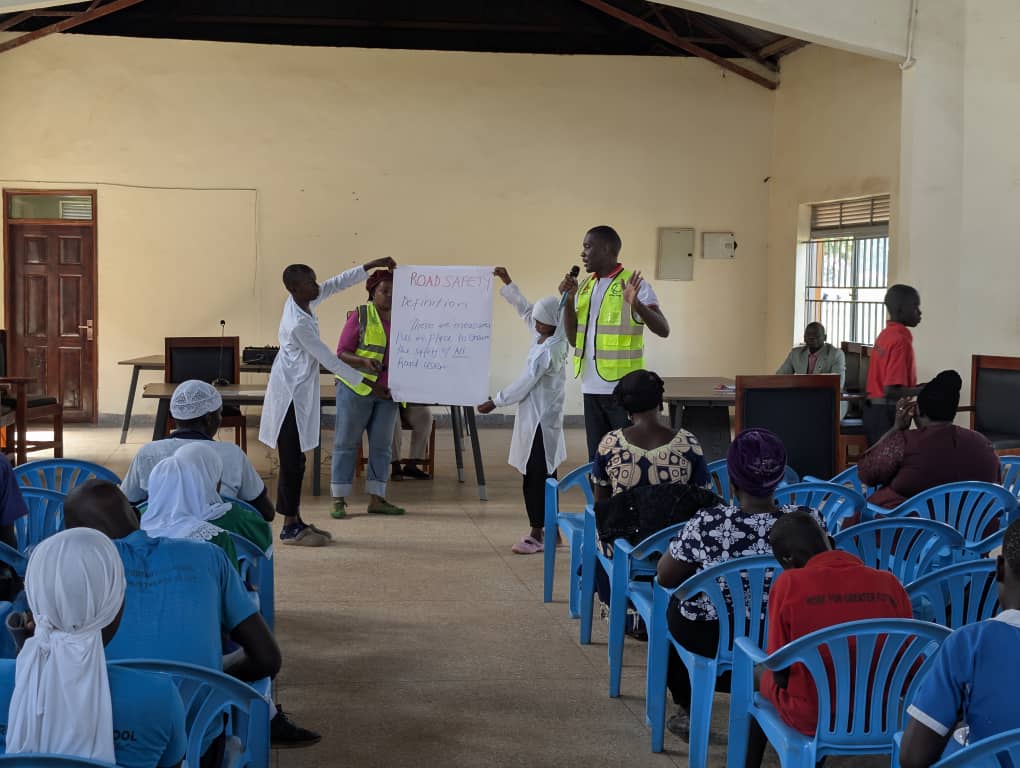
URRENO has carried out key preparatoy activities to strengthen road safety outcomes along this high-risk corridor. We have successfully conducted a baseline survey to assess the road safety challenges affecting the road users, including learner, pedestrians, and transport operators.
In addition, we completed a training Needs Assessment (TNA), which identified the knowledge and skills gaps among different stakeholders who use/ interact with the road. These include boda-boda riders, taxi drivers, local leaders, school communities, and market vendors.
The findings from both the basleine and the TNA are guiding our next steps in designing targeted sensitization and training programs. These will not only address the immediate Road safety concerns linked to the construction phase but also build long-term capacity for safe road use once the upgraded road is complete.